
Advertisement
Deep in the alleys of Kairouan, the holy city of Tunisia, there is a mosque that confuses and fascinates tourists - The Mosque of the Barber. Its name sounds like a joke, but when you walk in, you will find that there is really a "barber" enshrined here: it is said that he is Sidi Sahbi, the attendant and barber of the Prophet Muhammad, and even a few of his beards are preserved. This mosque is neither as magnificent as the Oqba Mosque nor has gorgeous decorations, but its story is stranger than any religious building in Tunisia. Why do Muslims worship a barber devoutly? What secrets are hidden under the flickering golden lights in the tomb?
Advertisement
Sidi Sahbi, formerly known as Abu Zamaa al-Balawi, was a close companion of the Prophet Muhammad in the distant 7th century. According to ancient legends, he always carefully carried the three beards of the prophet with him, considering them as extremely sacred memorials. When he resolutely followed the Arab army on the expedition to North Africa, he was unfortunately killed in the battlefield in what is now Kairouan, and those beards with special significance were buried here. In the Middle Ages, the locals firmly believed that his tomb contained magical powers, and this belief gradually formed a unique "saint worship". As time went by, many unique customs even developed here: anxious parents would bring their sick children to the tomb and pray devoutly; or gently wipe the child's body with the cloth in the tomb, hoping to be cured. What's even more amazing is that on certain days, believers would bring flowers and spices and perform solemn ceremonies around the tomb. They believed that these actions could resonate with the saint's divine power and bring good luck and well-being to themselves and their families.
Advertisement
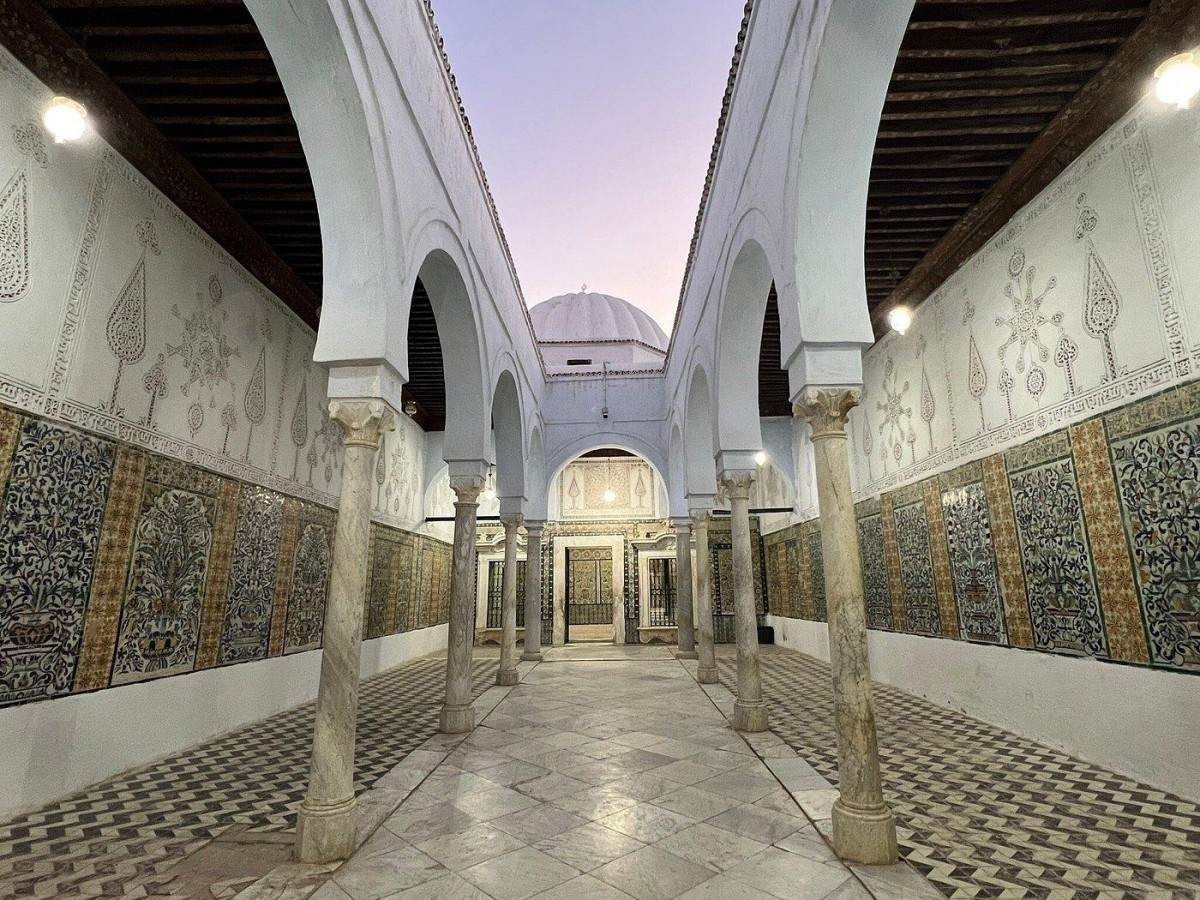
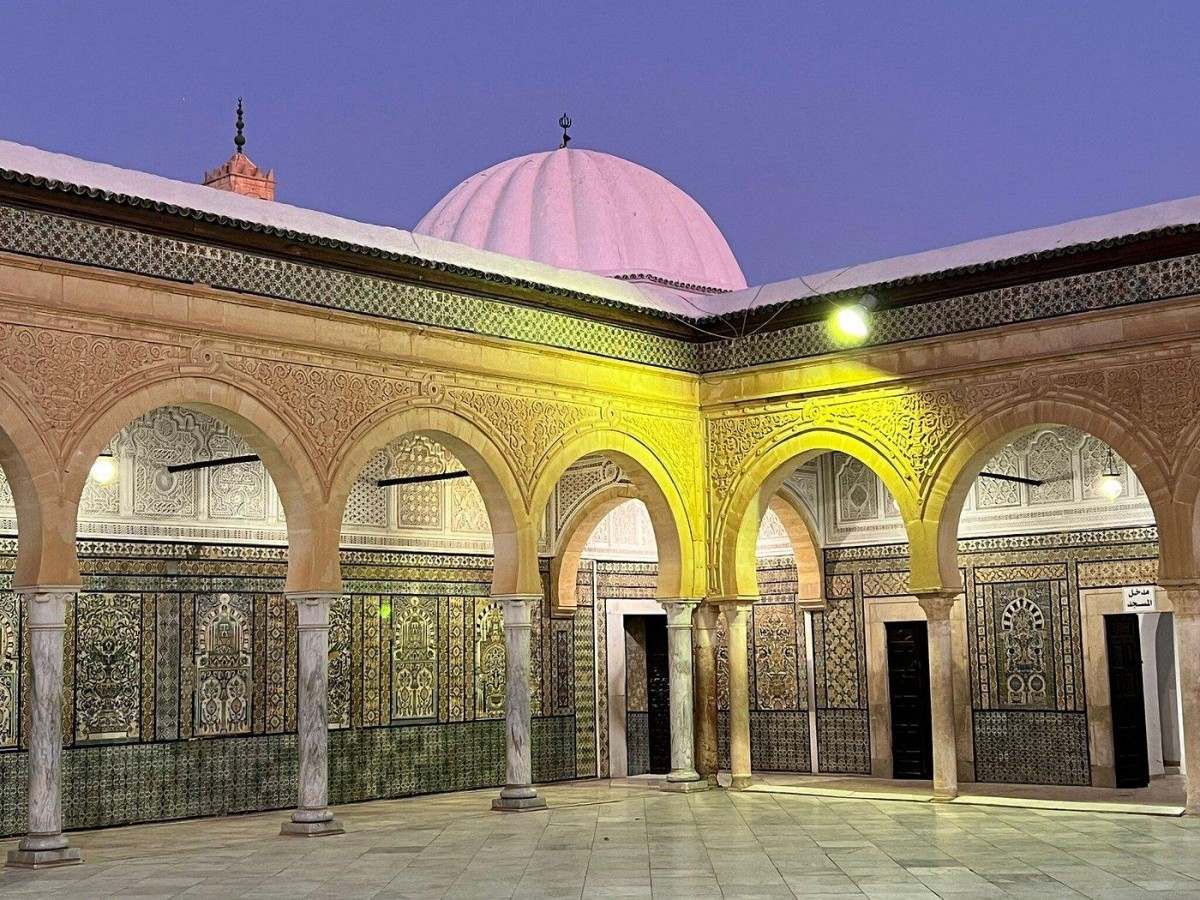
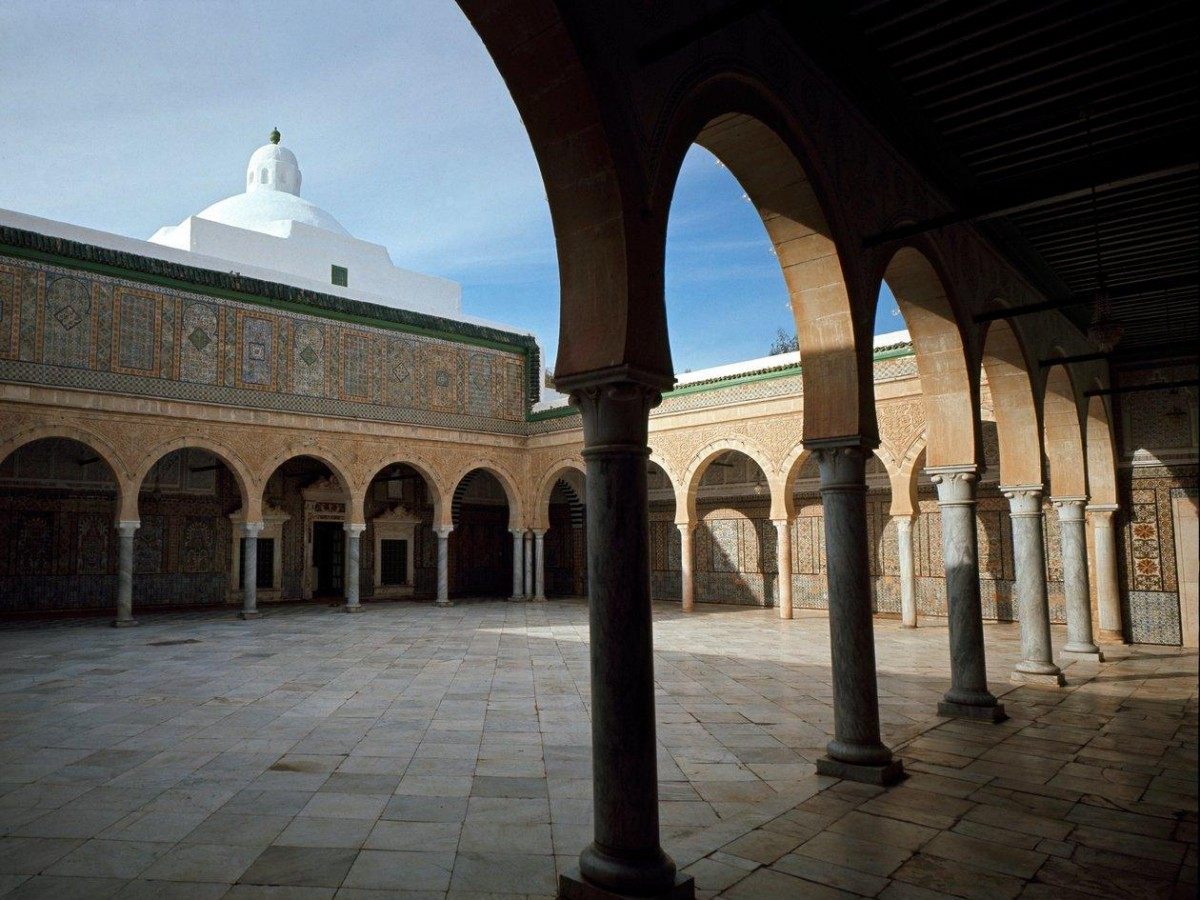
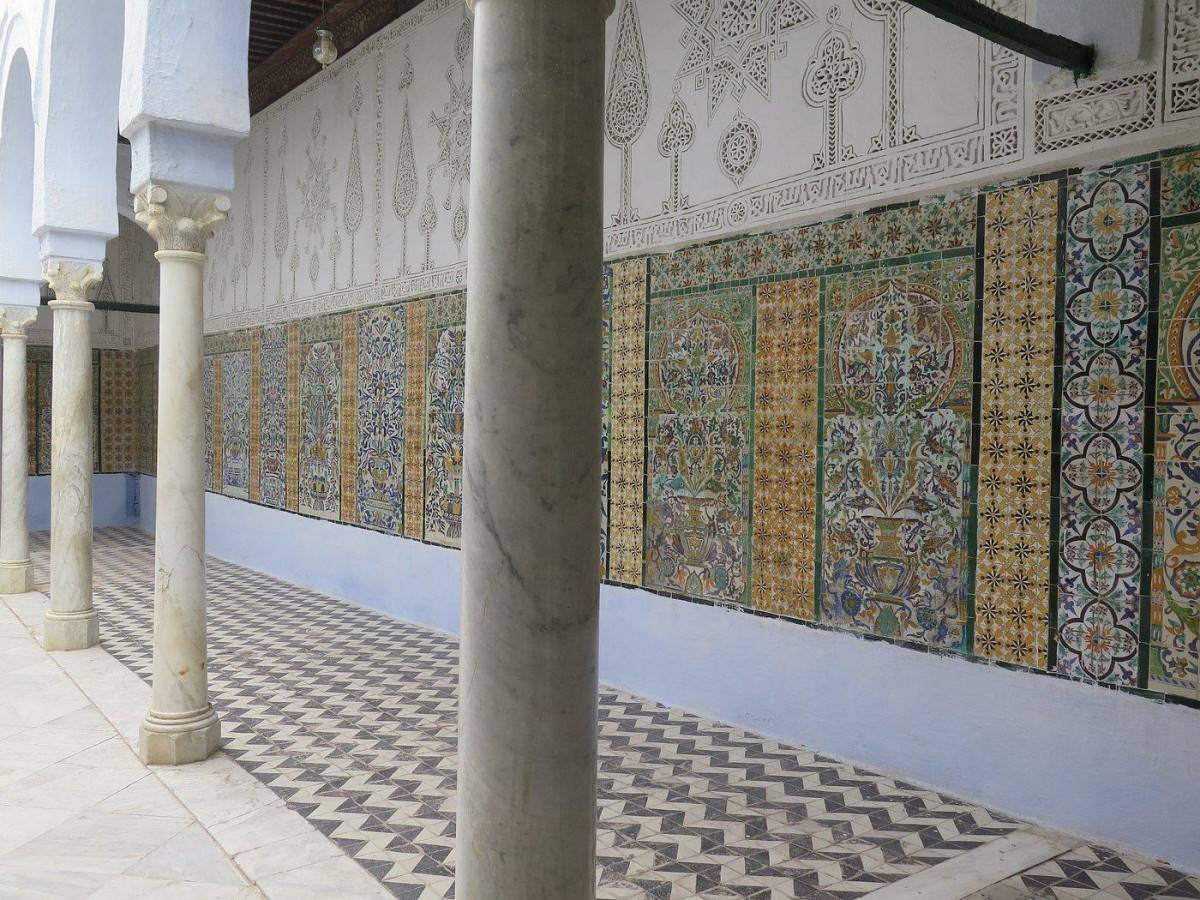
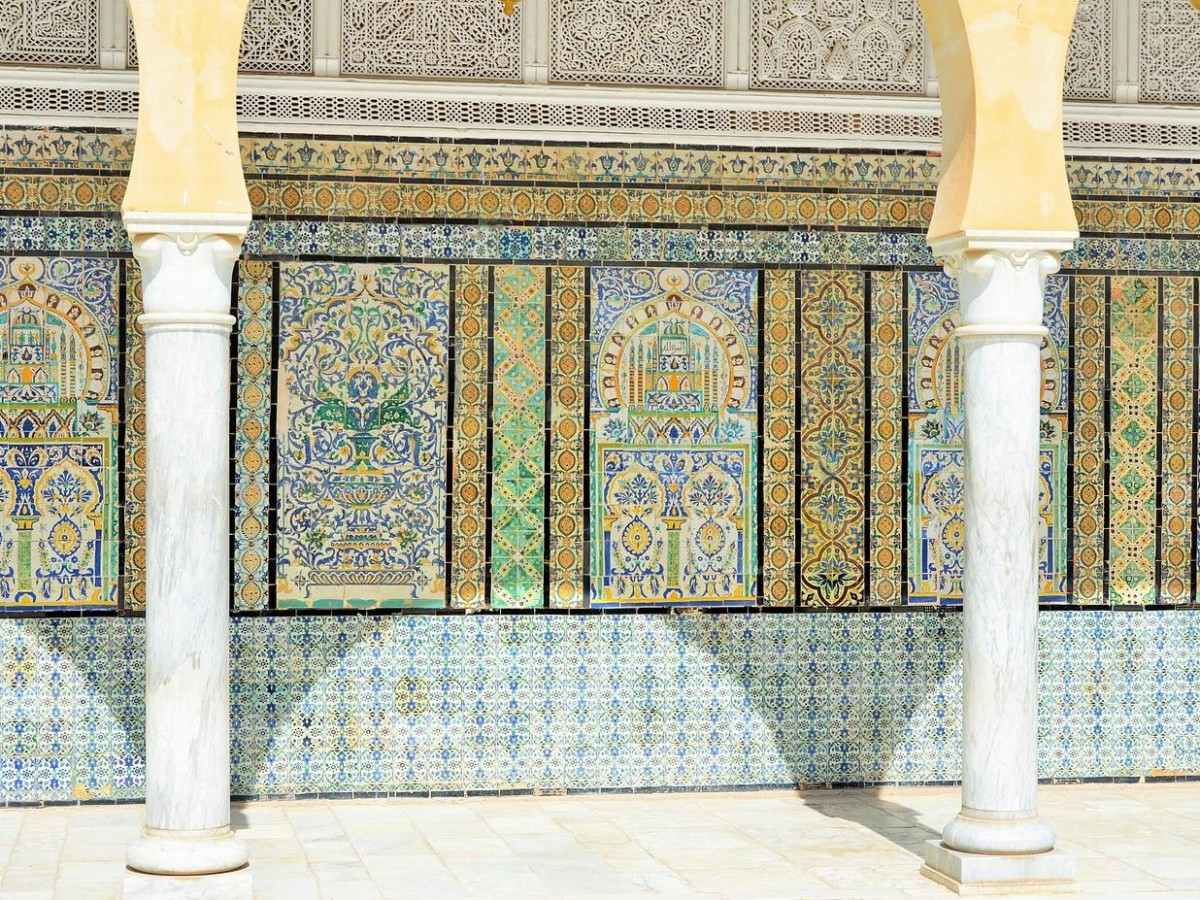
Although it is called a "mosque", it is actually more like a unique mausoleum complex. The most eye-catching thing is the barber shop window at the entrance, which is full of retro charm. The window displays simple razors, copper basins with the luster of time, and a slightly mottled mirror. These items are not only a humorous ridicule of Sidi Sahbi's profession, but also cleverly imply the profound metaphor of "purifying the soul". Walking into the interior, the courtyard is covered with mosaics with a strong Andalusian style. The colorful patterns shine in the sun, as if telling the glory of the past. The holy tomb is hidden in a small room covered with gold foil. The precious beards are locked in an extremely delicate box. They will only be carefully displayed during important religious festivals. At this time, many believers will come from all directions to pay homage to the sacred relics with reverence, and the whole mosque will be immersed in a solemn atmosphere.
Advertisement
Can non-Muslims enter? The answer is yes, but the tomb area has strict restrictions and is only for Muslims. This regulation reflects respect for religious beliefs and makes the tomb a sacred space for Muslim believers to pray devoutly and place their hearts at ease.
There are also many taboos for taking photos: tourists can take photos at will in the courtyard to record the unique architectural style and beautiful mosaic patterns here; but inside the holy tomb, any form of photography is strictly prohibited. This is because the holy tomb is an extremely sacred place for believers, and they do not want to be disturbed or recorded too much by the outside world.
In addition, there are some strange but meaningful rituals: some people will go around the tomb three times counterclockwise in a specific way, imitating the "Tawaf" of the pilgrimage to Mecca. This ritual action seems simple, but it contains the believers' admiration for the saints and their persistence in faith. The best time to visit is in the early morning, when the mosque has just woken up, the morning light shines on the ancient buildings, and everything seems quiet and peaceful; or after the Friday service, when most local pilgrims have left, you can avoid the crowds and feel the unique atmosphere here more calmly.
Compared with other orthodox religious sites in Kairouan, this place is full of human fireworks: vendors sell "holy salt" (said to be able to exorcise evil spirits) at the door, the elderly doze off in the corner of the courtyard, and children chase tourists for coins. This ecology mixed with faith, folklore and tourism economy makes it a living specimen for observing Tunisian folk religion.
When you leave the Barber's Mosque, you may be more confused-is it a sacred place or an authentic North African "cultural drama"? But in any case, this temple reminds us with its absurdity and piety: faith is sometimes hidden in the most ordinary professions, such as a barber's razor, or a few beards that have been treasured for thousands of years. If you go to Kairouan, don’t just focus on the Oqba Mosque, remember to meet this "barber saint". After all, in Tunisia, even beards can become legends.